




Platform for Labour Action (PLA) is a National Civil Society Organization that was founded in the year 2000. PLA is focused on promoting and protecting the rights of vulnerable and marginalized workers through empowerment of communities and individuals in Uganda.
21,463
Lives impacted
22
years of service
Our impact; stories of change
- Details
- Category: Child Labour
- The court has the power to hear criminal cases against children and applications relating to the protection and care of children including child exploitation.
- It must follow informal procedures, which means that the child is questioned informally, not exposed to adversarial procedures.
- A child also has the right to be represented in this court.
- It sits in camera, where the public is not allowed to attend court proceedings. The only people who can attend proceedings in this court include parties to the case, their advocates and witnesses and other persons directly concerned with the case.
- The parents or guardians, probation and welfare officer and any other person whom the court allows to be present.
- Details
- Category: Child Labour
- Every citizen (parent, guardian, and community member) has the duty to protect children against any form of abuse.
- It is the responsibility of the parent to ensure that children do not join child labour.
- The constitution also requires the parents to provide basic education to their children.
- The role of the parents and guardians is to promote responsible parenthood or the upbringing of children.
- Children have the right to know and are cared for by their parents and protected from violence and neglect.
- Details
- Category: Child Labour
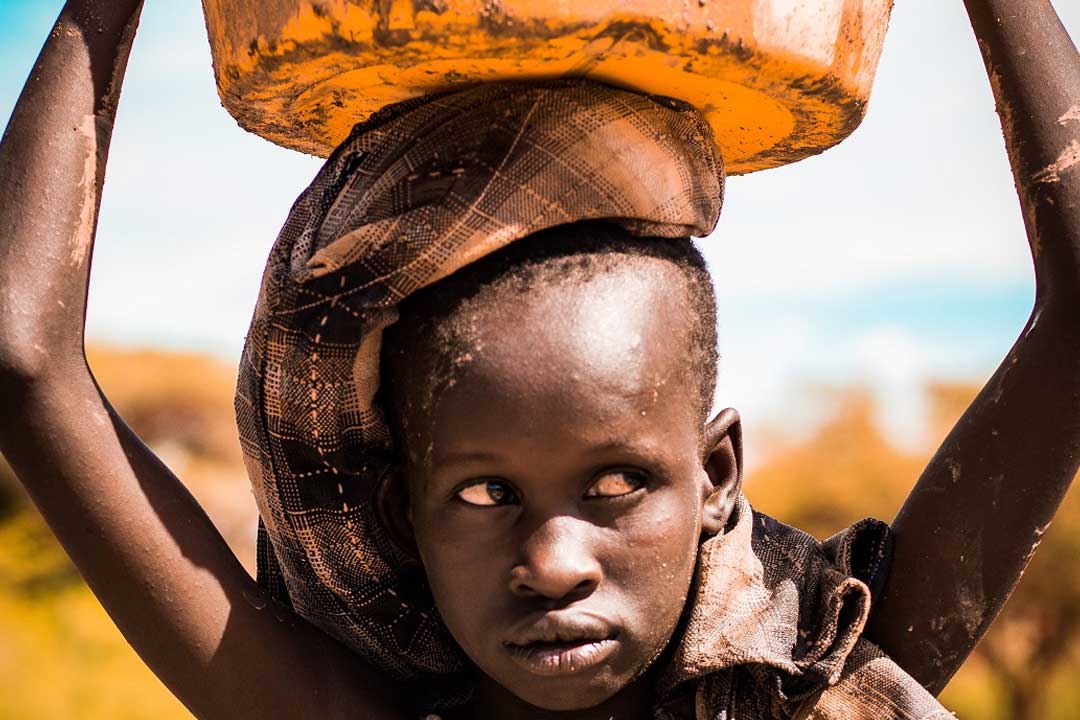
Child exploitation is the use of a child by a person for one's own advantage to gain benefits at the expense of the child. Examples of child exploitation include using children as sex workers, forcing children to work on the streets, using children as domestic servants.
Legal framework
The constitution of the Republic of Uganda 1995 states that children must be protected from social and economic exploitation. It also forbids the employment of children and forcing children to perform work that is likely to be dangerous or interfere with the children’s education or that is harmful to their health or physical, mental, spiritual, moral or social development.
The children's’ act also says that no child shall be employed or engaged in any activity that is harmful to his education mental, physical or moral development.
The Employment Act 2006
- Prohibits the employment of children below 12 years in any business, undertaking or workplace.
- A child under the age of 14 years can only be employed in any business, undertaking or workplace to perform light work carried out under the supervision of an adult aged over 18 years and the work should not affect the child’s education.
- A person must discontinue employing any child under 14 years after being informed in writing by a labour officer that the work is heavier than light work as required by the employment act
- A child shall not be employed in any employment or work which is injurious to his/her health, dangerous or hazardous or otherwise unsuitable and an employer shall not continue employing the child after being informed in writing by a labour officer that the work is injurious to such a child’s health, dangerous or hazardous or otherwise unsuitable
- A child should not be employed between the hours of 7 p.m. and 7 a.m.
Any person may complain to a labour officer is he or she considers that a child is being employed against the provisions of the employment act.
Latest from our blog